
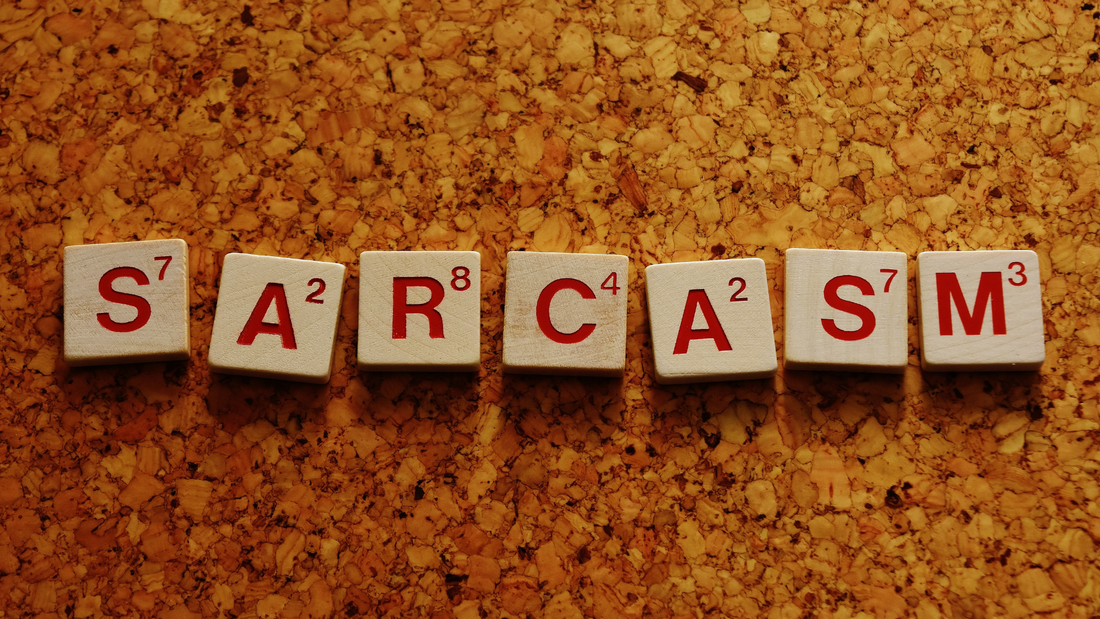
What makes sarcastic humour relatable?
Share
Sarcastic humour is relatable for several reasons, many of which stem from shared experiences, social dynamics, and the way it resonates with common human emotions. Sarcasm often draws on common frustrations, annoyances, or absurdities in everyday life. When someone uses sarcasm to highlight these, others who have had similar experiences can easily relate. This shared understanding of life's little ironies makes the humour feel familiar and personal.
It can express a range of emotions, from irritation to disappointment, in a way that's accessible and understandable to many people. For example, sarcastically saying "Great, just what I needed!" when something goes wrong taps into a universal feeling of exasperation that most people have experienced. Many people use sarcasm as a coping mechanism to deal with life's challenges or to downplay negative emotions. When others recognize this strategy, it can create a sense of solidarity and understanding, making the humour more relatable.
Sarcasm often serves as a form of social commentary, pointing out the flaws, contradictions, or hypocrisies in social norms, behaviours, or situations. When it aligns with the audience's views or observations, it can feel particularly relevant and relatable. The subtlety of sarcasm appeals to those who enjoy humour that isn't overly direct or obvious. It requires the audience to read between the lines, which can make them feel more engaged and "in on the joke." This shared recognition of the underlying meaning fosters a sense of connection.
In cultures where sarcasm is a common form of communication, it becomes a familiar way to interact. People who grow up in these environments learn to recognize and appreciate sarcasm, making it an easy, relatable way to convey humour.
These elements combine to make sarcastic humour a reflection of shared human experiences, emotions, and social observations, which is why it often feels so relatable to a wide audience.